Namibia’s New Frontier: A Look at Government’s Plan to Invest in Mining and Petroleum Sectors

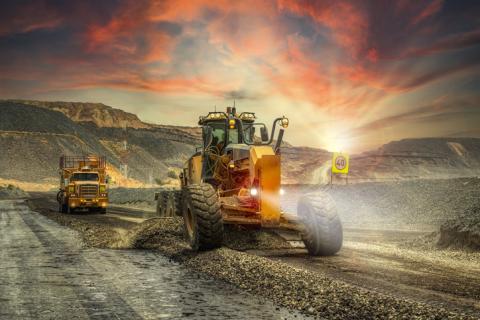
Namibia has been known for its vast and diverse mineral resources for many years. With a wealth of natural resources such as diamonds, uranium, copper, and gold, mining has been the backbone of Namibia’s economy for decades.
However, the country’s government is now looking to expand the industry further by investing in the petroleum sector. In this blog post, we’ll take a closer look at Namibia’s new frontier, the government’s plan to invest in these sectors, and what this means for the country’s future. If you’re interested in learning more about the future of Namibia’s economy and the potential opportunities available in these sectors, then keep reading.
1. An overview of Namibia’s mining and petroleum industry
Namibia is a country that is rich in mineral resources, including diamonds, uranium, copper, gold, silver, lead, and zinc. The mining industry has been a significant contributor to the country’s economy for many years and has been a source of employment for many Namibians.
The mining sector has also been a major foreign exchange earner for the country. Namibia’s mining industry is well-regulated, and the government has put in place policies and regulations that encourage investment in the sector. The government has also been working to diversify the mining industry beyond diamonds, which have been a significant contributor to the country’s economy.
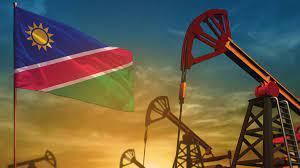
Namibia’s petroleum industry is still in its early stages of development. However, the country has been exploring its offshore waters for oil and gas, and significant reserves have been discovered. The government is now working to develop the sector and attract investment to fully exploit the country’s petroleum resources. Namibia’s government has recognized the importance of the mining and petroleum sectors to the country’s economy and has put in place policies to encourage investment in these industries.
The government has also been working to ensure that the benefits of the industries are shared by all Namibians through the creation of jobs and the development of local communities. With its rich mineral resources and a government that is supportive of investment in the sector, Namibia’s mining and petroleum industries are poised for significant growth in the years to come.
2. Government’s plan to invest in the mining sector
Namibia’s government is taking steps to invest in the mining sector, with a plan to attract more foreign investment and create jobs in the country. The government is working to create a more conducive environment for mining companies to do business in Namibia. One of the ways they plan to do this is by reviewing the Mining Act to make it more investor-friendly.
The goal is to eliminate red tape and streamline the process of obtaining mining licenses. Additionally, the government has set up a Mining Ministry dedicated to the development of the mining sector. This ministry will work directly with mining companies to identify the challenges they face and find solutions to overcome them.
The Namibian government also plans to create a mining industry that is sustainable and environmentally friendly. They will work with mining companies to ensure that they adhere to the highest environmental standards while exploring and mining for natural resources. Overall, the government’s investment in the mining sector is expected to bring significant benefits to Namibia’s economy, including job creation, infrastructure development, and increased foreign investment.
3. Government’s plan to invest in the petroleum sector
The Namibian government is looking to invest in the petroleum sector to diversify its economy and create more job opportunities. The government has already taken some steps in this direction, such as the establishment of the National Petroleum Corporation of Namibia (Namcor) and the Petroleum Commissioner’s office.
These two entities are responsible for regulating and promoting the petroleum sector in Namibia. Namibia is a country that has a lot of natural resources, including oil and gas reserves. However, these resources have not been fully exploited due to the lack of infrastructure and expertise in the sector. The government plans to invest heavily in the development of the petroleum sector to unlock the potential of these resources and create new revenue streams for the country.
The investment in the petroleum sector is not just about economic growth but also environmental protection. The government has committed to ensuring that the exploration and production of oil and gas are done in a sustainable way that does not harm the environment. It has also established regulations to ensure that companies operating in the sector comply with environmental standards.
In conclusion, the government’s plan to invest in the petroleum sector is a significant step towards diversifying the Namibian economy and creating new job opportunities. It is also a responsible move that takes into account environmental protection, making it a win-win situation for the country. With the right investments and regulations, the petroleum sector has the potential to become a major contributor to Namibia’s economy.
4. The potential impact of these investments on Namibia’s economy
The Namibian government’s plan to invest in the mining and petroleum sectors has the potential to significantly impact the country’s economy in a positive way. Namibia is rich in mineral resources, including diamonds, uranium, copper, gold, and silver, which have been primary contributors to the country’s GDP. By investing in these sectors, the government aims to create jobs, increase foreign investment, and boost the country’s economic growth. Mining and petroleum investments can have a domino effect on the economy.
The increased production and export of minerals can result in an increase in foreign exchange earnings, which will give the government more funds to invest in infrastructure development, education, and healthcare. The increased employment opportunities in these sectors can also contribute to poverty reduction and reduce income inequality. Furthermore, the investments can attract foreign investors who may choose to invest in other sectors of the economy.
This will lead to a diversification of the economy, reducing its reliance on a single sector. The development of these industries can also result in the creation of a skilled workforce, which can lead to the emergence of new industries and opportunities. Overall, the Namibian government’s plan to invest in the mining and petroleum sectors has the potential to transform the country’s economy. If executed effectively, it can lead to sustainable economic growth, job creation, and an improvement in the standard of living for Namibians.