The Avatar Movie and Its Impact on the Mining Industry: An Overview
The Avatar Movie and Its Impact on the Mining Industry: An Overview.

The Avatar Movie and Its Impact on the Mining Industry: An Overview.
The movie “Avatar” is not just another science fiction movie. It’s a movie that has had a massive impact on the mining industry. The story takes place on a distant planet called Pandora, where a large mining corporation is trying to extract a valuable mineral called unobtainium. The movie portrays a fictional mining operation that destroys the environment and the lives of the indigenous people of Pandora. The movie’s message is clear: the mining industry needs to be more responsible in its practices. In this post, we will take a closer look at the impact that the movie has had on the mining industry, and how it has sparked a conversation about the importance of sustainability in mining practices.

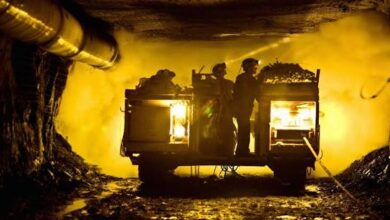
When the Avatar movie was released in 2009, it was praised for its stunning visuals and captivating storyline. But what many people may not know is that the movie had a significant impact on the mining industry. The film’s plot revolves around a fictional mineral called unobtanium, which is found on Pandora, a moon of the planet Polyphemus. The fictional mineral is highly valuable, and mining companies on Earth are keen to extract it from Pandora. This scenario parallels the real-life situation of mining companies looking for valuable minerals in remote locations around the world. The portrayal of the mining industry in Avatar has led to increased scrutiny and criticism of mining practices. The movie highlights the negative impact of mining on the environment and indigenous communities and has sparked conversations about the ethics of mining practices. The portrayal of the mining industry in the movie has influenced public opinion on mining and has led to increased demand for sustainable and ethical mining practices. In response to the Avatar movie’s impact on the mining industry, some mining companies have taken steps to address environmental concerns and engage with local communities. For example, some companies have implemented sustainable mining practices, such as using renewable energy sources and minimizing their environmental impact. Others have taken steps to engage with local communities and respect indigenous rights. Overall, the Avatar movie has had a significant impact on the mining industry, shining a light on the industry’s practices and driving demand for sustainable and ethical mining practices. It remains to be seen how the mining industry will respond to this increased scrutiny, but it is clear that the Avatar movie has had a lasting impact on the industry.
Unobtainium
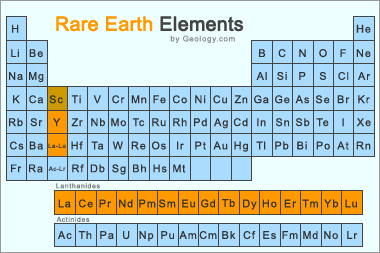
Unobtainium is a fictional material that was introduced in the Avatar movie. It is a valuable mineral that is found on the moon Pandora, which is inhabited by the Na’vi people. The mineral is named unobtainium because it is so valuable that it is almost impossible to obtain. The mining of unobtainium is the main focus of the movie, as it is what drives the plot and the conflict between the humans and the Na’vi people. In the real world, unobtainium is not an actual mineral, but the concept of a rare and valuable material is not new to the mining industry. Many real-life mining operations are based on the search for valuable minerals, such as gold, diamonds, and rare earth metals. The Avatar movie has brought attention to the impact that mining operations can have on the environment and the indigenous people who live in the area. While the mining of unobtainium is a fictional concept, the movie has sparked discussions about the importance of responsible mining practices. It has also brought attention to the need for sustainable mining practices that minimize the impact on the environment and the people who live in the area. The Avatar movie has had a significant impact on the mining industry and has raised awareness about the importance of responsible mining practices.
Sustainability in the mining industry
The mining industry is known for its significant impact on the environment. Sustainability is a crucial concern in this industry, and it has been a topic of discussion for a long time. The Avatar movie has drawn attention to the mining industry and raised questions about its sustainability. The movie highlights the importance of sustainability when it comes to the mining industry. Sustainable mining practices that prioritize the protection of the environment and the health and safety of the employees are essential in reducing the impact of mining on the environment. In order to achieve sustainable mining, companies need to ensure that they use cutting-edge technology and best practices, such as recycling and reducing the amount of waste produced. They also need to engage in responsible water use and strive to reduce their carbon footprint. The mining industry has come a long way in adopting sustainable practices, but there is still a long way to go. The Avatar movie has helped to create awareness about the importance of sustainability in the mining industry and inspired companies to take a more responsible approach to mining. Through sustainable mining practices and co-operation with stakeholders, the mining industry can contribute to a better and greener world for future generations.
Conclusion.
The Avatar movie had a significant impact on the mining industry, as it brought to light the environmental and social impact of mining activities. The movie showed the consequences of exploiting natural resources, and it created a debate about the ethics of mining. It also raised awareness about the importance of sustainable development and the need for responsible mining practices. The Avatar movie was a wake-up call for the mining industry, and it forced them to re-evaluate their practices and policies. The industry had to consider the impact of mining operations on local communities and the environment, and it had to find ways to mitigate these effects. Overall, the Avatar movie has had a lasting impact on the mining industry, and it has helped to shape the way we think about resource extraction and sustainable development.
——————————