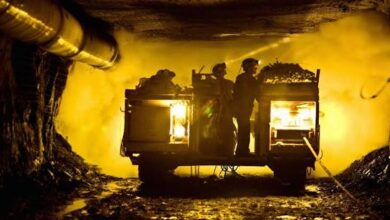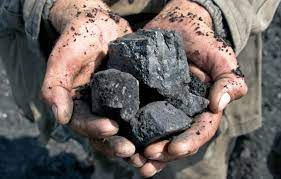
Mining has long been a source of conflict and human rights abuses around the world. In many cases, mining operations take place in remote and dangerous locations, leading to conflict between miners and local communities.
Child labor is also a common problem in the mining industry. Many children are forced to work in dangerous and often dangerous conditions, risking their health and safety. This often leads to child exploitation and child labor, which in turn can lead to conflicts and human rights abuses.
As mining operations become increasingly complex and involve more weapons and explosives, they also become a source of terror and violence. Bandits and other criminal groups can often become involved in mining operations, leading to increased violence and instability.
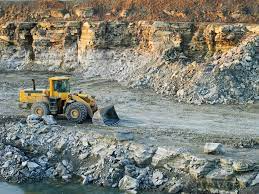
In recent years, mining has also been linked to invasions and wars. For example, in 2011, the mining company Rio Tinto was involved in a military conflict in the Democratic Republic of Congo. This conflict led to the displacement of hundreds of thousands of people and the spread of diseases like malaria.
Overall, mining is a dangerous and conflict-ridden industry, which often leads to human rights abuses and violence. It is important to ensure that these issues are addressed and that the safety and welfare of miners and local communities is protected.
Mining and global conflict have been linked since the dawn of time. Mining has always been a source of revenue for militaries and other groups looking to expand their power, and has often been used as a tool of war.
Today, mining and global conflict are still closely linked. Mining operations often require access to resources that are vital for military and civilian operations, and can result in conflict if those resources are contested. This is particularly the case in resource-rich regions like the Congo, where war has been ongoing for decades.
Mining has also been linked to human rights abuses. For example, mining operations in the Congo have led to the exploitation of the local population, resulting in the displacement of thousands of people and the exploitation of natural resources that are essential for the survival of local communities.
Despite these links, the mining and global conflict problem is not easy to solve. Mining has a long history, and militaries and other groups are often reluctant to give up access to resources that are so vital for their operations. Additionally, human rights abuses can be difficult to address, as they often go unpunished.
Nevertheless, progress is being made. For example, the UN Security Council has passed a number of resolutions aimed at addressing the links between mining and global conflict. Additionally, advocacy groups are working to raise awareness of the problem and to pressure governments to take action.
Hopefully, progress will continue, and mining and global conflict will be addressed in a more comprehensive way. Until then, we must continue to work to raise awareness and to pressure governments to take action.
Mining has always been an important part of global conflict, as it provides a source of income for those who control the resources. In the past, lead and lead-antimony were the main metals mined, but with the advent of more advanced technology, other metals are now being mined as well..