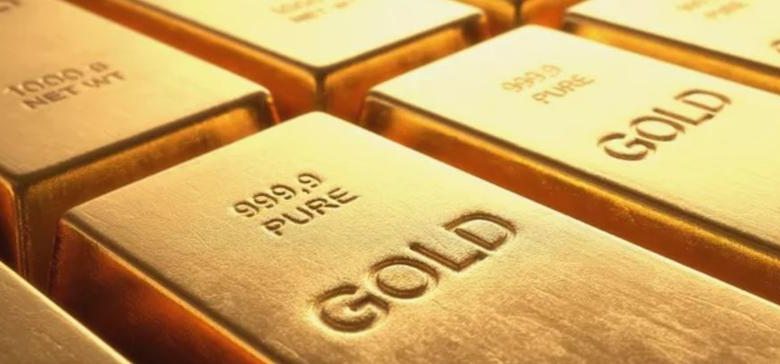
Gold has been a symbol of wealth and prosperity for centuries. From ancient civilizations to modern times, gold has always been highly valued and sought after. But what makes this precious metal so special? Is it just its rarity and beauty, or are there other qualities that make it so alluring?
In this post, we’ll explore the allure of gold and what makes it so special, from its physical properties to its cultural significance. We’ll take a closer look at its history and uses, as well as the science behind its unique properties, such as its malleability and resistance to corrosion. Whether you’re a collector, investor, or simply curious about the allure of gold, this post will provide a fascinating insight into one of the world’s most valuable and intriguing metals.
1. Introduction: Why is gold so special?
Gold has been a highly valued and sought-after commodity for centuries, and for good reason. There’s something about this precious metal that has captured the human imagination, inspired myths and legends, and made it a symbol of wealth and prosperity throughout history.
But what makes gold so special?
One of the main reasons is its rarity. Gold is one of the rarest elements on Earth, making it a scarce and valuable resource. It’s estimated that all the gold ever mined throughout history would only fill three Olympic-sized swimming pools. This rarity has made it a coveted and cherished commodity for centuries.
Another reason for gold’s allure is its unique properties. Gold is one of the most malleable and ductile metals, meaning it can be easily shaped and molded into intricate designs and patterns. Its beautiful yellow color, luster, and shine make it highly desirable for jewelry and decorative purposes.
Gold is also a very stable and inert metal, meaning it doesn’t tarnish or corrode over time. This makes it an ideal material for use in a wide range of applications, from electronics to dentistry to medicine.
Finally, gold has played an important role in human history and culture.
It has been used as a currency, a symbol of power and wealth, and a religious and spiritual symbol in many cultures and traditions.
Taken together, these factors help to explain why gold has such a unique and special allure. Whether you’re a jewelry enthusiast, an investor, or simply fascinated by the history and science of this precious metal, there’s no denying the enduring appeal of gold.
2. The history of gold and its importance to civilizations
The history of gold dates back to ancient times. It has been used as a symbol of wealth, power, and prestige throughout the centuries. The Egyptians, for example, believed that gold was the flesh of the gods and therefore it was highly valued.
In ancient Greece, gold was seen as a sign of social status and was often used to adorn their temples and monuments. The Romans also valued gold and used it for their currency, as well as in their jewelry and decorative arts.
Gold has been used in many other civilizations throughout history, including ancient China, India, and the Americas. It has been used as a form of currency, a symbol of power and wealth, and as a decorative art.
Gold is also important in religion and mythology. In Hinduism, gold is seen as a symbol of purity and wealth. In Christianity, gold is associated with divinity and is often used in religious artifacts.
The importance of gold in civilizations has continued to the present day. It is still highly valued and is used in various industries, including jewelry, technology, and finance. Gold is also seen as a safe haven investment, especially during times of economic uncertainty.
Overall, the history of gold and its importance to civilizations has contributed to its allure and enduring value. It is no wonder that it continues to captivate people’s fascination and remains a coveted commodity to this day.
3. The physical properties of gold that make it unique
Gold is a unique metal that has been highly valued for centuries, and one of the reasons for its popularity is its physical properties. Gold is a dense, soft, and malleable metal that is easy to work with, and it is also highly resistant to corrosion and tarnishing, making it a durable and long-lasting material. These properties have made it ideal for use in jewelry, coins, and other decorative items.
One of the most fascinating physical properties of gold is its color. Gold has a distinctive bright yellow color that is not found in any other metal. This unique color is due to the way that gold absorbs and reflects light, and it is also one of the reasons why gold has been so highly valued throughout history.
Gold is also an excellent conductor of electricity and is highly ductile, meaning that it can be drawn into thin wires without breaking. These properties have made it ideal for use in electronics and other high-tech applications.
Another unique property of gold is its rarity. Gold is a relatively rare metal, and it is estimated that all of the gold ever mined throughout history would fit into a cube that is just 20 meters on each side. This rarity has helped to drive up the value of gold and has made it a symbol of wealth and power.
Overall, the physical properties of gold make it a unique and valuable metal that has been highly prized throughout history. Whether it is used for jewelry, coins, or other decorative items, gold is sure to continue to capture our imagination and fascination for many years to come.
4. Gold as a symbol of wealth and power
Gold has been a symbol of wealth and power for centuries. From ancient times to modern day, gold has been associated with the affluent and influential. In many cultures, gold is seen as a symbol of prosperity and success. This is because of its rarity and beauty, as well as its durability and resistance to tarnishing.
In the past, gold was often used to create jewelry and other ornamental items for royalty and the wealthy elite. It was also used as a currency and a store of value. Many civilizations, such as the Egyptians and the Aztecs, used gold to decorate their temples and other important structures.
Today, gold is still seen as a symbol of wealth and power. It is often used to create high-end jewelry, watches, and other luxury items. Many people also invest in gold as a way to protect their wealth and hedge against inflation and economic instability.
The allure of gold is not just about the metal itself, but also the status and prestige that comes with owning it. Whether it’s a gold watch, a gold necklace, or a gold bar, gold is a symbol of luxury, success, and power that has stood the test of time.
5. Gold as a safe haven investment
Gold has always been considered a safe haven investment, especially during times of economic uncertainty. This is because gold is a tangible asset and has intrinsic value. Unlike stocks or bonds, gold is not dependent on a third party’s promise to pay, making it a reliable investment that can be trusted even during economic downturns.
Gold has held its value for thousands of years and has served as a hedge against inflation and currency fluctuations. During times of economic crisis, investors tend to flock to gold, driving its price up. This was evident during the 2008 global financial crisis, when gold prices soared as investors sought a safe haven to protect their wealth.
In addition to being a safe haven investment, gold is also a diversification tool for portfolios. Investing in gold can help reduce overall portfolio risk and increase returns. This is because gold has a low correlation with other assets, such as stocks and bonds. By adding gold to a portfolio, investors can reduce the risk of losses during a market downturn.
In conclusion, gold’s value as a safe haven investment cannot be overstated. It has stood the test of time and has proven to be a reliable asset during times of economic uncertainty. For investors looking to diversify their portfolios and protect their wealth, gold is an excellent option to consider.
6. The cultural significance of gold in different parts of the world
Gold has a significant cultural significance in different parts of the world. In ancient Egypt, gold was considered a symbol of power and wealth, and it was believed to have magical properties. The pharaohs were often buried with their gold possessions, so they would have enough wealth in the afterlife. In India, gold is considered a symbol of purity, prosperity, and good fortune. It is often used in religious ceremonies and is gifted during weddings and other auspicious occasions.
In China, gold is associated with wealth and good luck. The Chinese have been using gold for thousands of years as a store of value and a symbol of wealth. In many African cultures, gold is also viewed as a symbol of wealth and prestige. The Ashanti people of Ghana, for example, have been mining and trading gold for centuries. They believe that gold is a gift from the gods and that it has the power to bring good fortune and prosperity.
The cultural significance of gold is not limited to these regions alone.
Gold has played an important role in the history and culture of many other civilizations, including the Greeks, Romans, and Mayans. Its value and allure have transcended time and geography, making it a truly universal symbol of wealth and power. Even today, gold remains a popular choice for jewelry, investments, and other forms of wealth preservation. Its cultural significance and timeless appeal are just a few of the factors that make gold so special.
7. Gold mining and production
Gold mining and production have been a significant part of human civilization for centuries. The metal has been used as a symbol of wealth and status, and its rarity has made it even more valuable. Gold can be found in many parts of the world, and the methods used to extract it have evolved over time.
Historically, gold was mined by hand, and the process was slow and labor-intensive. Miners would dig tunnels and shafts underground to reach the veins of gold ore. Once the ore was extracted, it was crushed and processed to remove the gold.
Today, modern mining techniques have made the process much more efficient. Large-scale mining operations use heavy machinery, such as bulldozers and excavators, to remove large amounts of soil and rock. The gold ore is then extracted using chemicals and processed to remove the gold.
Gold production has also seen significant advancements. In the past, gold was often melted down and reshaped into coins or jewelry. Today, gold can be refined into almost any shape or form, from intricate jewelry to electronic components.
Despite these advancements, gold mining and production still have a significant impact on the environment. Mining can lead to deforestation, soil erosion, and the release of toxic chemicals into the environment. It’s important for companies to prioritize sustainable and ethical practices in gold production, and for consumers to consider the environmental and social impact of their purchases.
Overall, gold mining and production are essential to meet the demand for this precious metal. While the methods have evolved over time, the allure of gold remains strong, and its value and symbolism continue to captivate people around the world.
8. The environmental impact of gold mining
While gold is a precious and highly sought-after commodity, it is important to consider the environmental impact of gold mining. Gold mining can have a significant impact on the environment, including deforestation, soil erosion, and water pollution. Chemicals such as mercury and cyanide are often used in the extraction process, which can lead to contamination of local water sources and harm to wildlife.
In addition to the direct impact of mining, the production of gold also has a significant carbon footprint. The energy-intensive process of mining, refining, and transporting gold contributes to greenhouse gas emissions, which contribute to climate change.
To address these concerns, there has been a growing movement towards sustainable and responsible gold mining practices. This includes using environmentally friendly extraction techniques, such as using recycled gold or sourcing gold from mines that have been certified as sustainable.
Consumers can also play a role in promoting responsible gold mining by choosing to buy jewelry and other gold products from companies that prioritize sustainability and ethical sourcing practices. By considering the environmental impact of gold mining, we can work towards a more sustainable and responsible industry that benefits both people and the planet.
9. The future of the gold industry
The future of the gold industry is promising. Despite the emergence of other investment options such as cryptocurrencies, gold will continue to be a popular choice for investors. This is because gold is a tangible asset that has been valued for centuries and will continue to be valued in the future.
Moreover, the demand for gold is increasing in emerging markets such as India and China, which are major consumers of gold. The growing middle class in these countries has led to an increase in disposable income, which has resulted in a higher demand for luxury items such as gold jewelry.
In addition, gold is also widely used in the electronics industry due to its excellent conductivity and resistance to corrosion. The increasing demand for electronic devices such as smartphones and laptops is expected to further boost the demand for gold in the future.
Furthermore, as the global economy becomes more uncertain, gold will continue to be a safe-haven asset for investors. During times of economic instability, investors tend to flock to gold as a safe investment option. This is because gold has historically maintained its value and has even increased in value during times of financial crisis.
In conclusion, the future of the gold industry looks bright due to its timeless value, increasing demand in emerging markets, growing use in the electronics industry, and its status as a safe-haven asset.
10. Conclusion: The enduring allure of gold
After exploring the many facets of gold, it’s clear that this precious metal has an enduring allure that has stood the test of time. From its beautiful color and luster to its rarity and durability, gold has been coveted and treasured for centuries.
But gold’s allure goes deeper than just its physical properties. It has been a symbol of wealth and power throughout history, and even today it continues to hold a special place in our culture. Whether it’s a gold wedding band, a gold watch, or a gold medal, gold is associated with success, achievement, and prestige.
In addition, gold has been used in many different ways throughout history, from currency to jewelry to art. It has been mined and traded across the globe, and has played a significant role in the economies of many countries.
Overall, the allure of gold is as strong today as it has ever been. Whether you’re a collector, investor, or simply appreciate the beauty and history of this precious metal, there are many reasons why gold continues to captivate us.
We hope you enjoyed our deep dive into the world of gold and what makes it so special. From its rich history to its unique physical properties, gold has been revered by humans for thousands of years. Whether you’re a gold enthusiast or just curious about its allure, we hope this blog post has provided you with some new insights and appreciation for this precious metal. As always, thank you for reading, and we look forward to exploring more fascinating topics with you soon.