[dropcap]M[/dropcap]ining has always been an important part of the African economy. It has provided employment and infrastructure, and has also contributed greatly to the continent’s economic growth. However, there are some shocking facts about mining in Africa that many people are unaware of. These facts expose the dark side of the mining industry, which has been linked to environmental degradation, human rights abuses, and exploitation. In this article, we will reveal ten shocking facts about mining in Africa that will change the way you think about this industry.
1. The Impact of Mining on the Environment
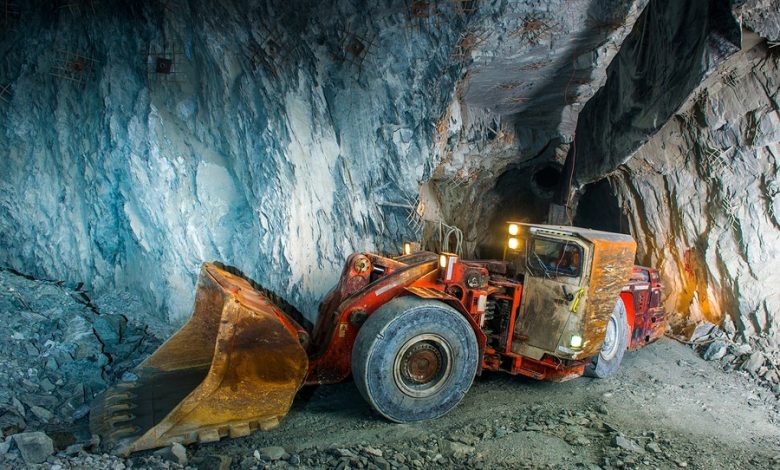
The impact of mining on the environment is a well-known issue, but many people are not aware of the full extent of the damage caused. Mining operations in Africa have been responsible for the destruction of vast areas of land, the contamination of water sources, and the release of toxic substances into the air. The process of mining involves the extraction of minerals and other resources from the earth’s crust, which can have a devastating impact on ecosystems and wildlife. The use of heavy machinery, explosives, and chemicals can lead to soil erosion, deforestation, and air pollution.
Additionally, mining operations often require large amounts of water, which can lead to the depletion of water sources and damage to aquatic ecosystems. The toxic waste produced by mining can also contaminate nearby rivers and lakes, making them unsuitable for drinking or recreational use. In many cases, the damage caused by mining has long-lasting effects on the environment and the health of local communities. The impact of mining on the environment is a reminder that we must consider the long-term consequences of our actions and work towards more sustainable solutions.
2. Human Rights Abuses in the Mining Industry
Mining in Africa has been a topic of controversy for many years, and one of the most concerning issues within this industry is the human rights abuses that take place. The mining of precious metals and minerals has been known to lead to the exploitation and abuse of workers, and those living near mines can also be negatively impacted. Many of these abuses are carried out by large mining corporations who prioritize profits over the well-being of their workers. One of the most alarming human rights abuses in the mining industry is child labor. In many African countries, children are forced to work in mines, putting their lives at risk and depriving them of an education and a childhood.
In some cases, children are trafficked to mines from other countries and forced to work in extremely dangerous conditions. Another issue is the use of forced labor, where workers are forced to work without pay or under exploitative conditions. This is a violation of human rights and needs to be addressed. Furthermore, mining in Africa has often led to the displacement of indigenous communities, who are forced to leave their homes and land to make way for mining operations.
These communities are often not compensated adequately, and their traditional ways of life are destroyed. It is essential that we address these human rights abuses in the mining industry and hold large corporations accountable for their actions. We must ensure that mining is done in a way that is responsible and fair, and that workers are treated with the respect and dignity they deserve.
3. Child Labor in African Mines
One of the most shocking facts about mining in Africa is the prevalence of child labor in many mines. Children are often forced to work in mines in Africa due to poverty and a lack of job opportunities. Many of these children work in dangerous conditions, such as in small, cramped spaces, or around heavy machinery without any protective gear. Child labor can have devastating effects on children, including physical harm, mental health issues, and a lack of education.
It is essential that we work to eradicate child labor in African mines by enforcing laws that prohibit children from working in mines and providing families with the resources they need to send their children to school and break the cycle of poverty. We must work together to ensure that the future of Africa’s children is one of education, safety, and opportunity, rather than one of exploitation and danger.
4. The Exploitation of Miners
Mining in Africa has been a contentious topic for a long time, and there are some shocking facts that many people are not aware of. One of the most disturbing aspects of mining in Africa is the exploitation of miners. Miners are often subjected to harsh working conditions, low wages, and no job security. Many miners work long hours, sometimes up to 12 or 14 hours a day, with no overtime pay.
They are often exposed to hazardous materials and chemicals, which can cause long-term health problems. In some cases, miners are not even provided with basic safety equipment like helmets or gloves. The exploitation of miners is a major issue in the mining industry in Africa, and it is often done at the expense of the workers’ health and wellbeing. Despite these challenges, many miners continue to work in these dangerous conditions because they have no other options for work. It’s important for the mining industry to address these issues and create safer working environments for their employees.