[dropcap]G[/dropcap]ermanium is a chemical element that has been around for centuries. It is a metalloid that has a variety of fascinating uses and applications. Although it was discovered in 1886, it wasn’t until the 1930s that it became commercially significant.
During World War II, Germanium was used in electronics, and since then, it has been used in a variety of applications, from fiber optics to solar cells. Its unique properties make it an attractive material for scientists and manufacturers alike. In this article, we will delve into the fascinating history of Germanium, its unique properties, and present-day uses that make it an essential component in modern technology.
- The discovery of Germanium
Germanium is an element that has had an interesting history since its discovery in 1886 by Clemens Winkler, a German chemist. Winkler discovered Germanium while examining a sample of a rare mineral called argyrodite. He noticed that the sample contained a new element with similar properties to silicon and named it Germanium after his homeland, Germany. Germanium was not isolated in pure form until 1945, when researchers were finally able to use a technique called zone refining to isolate it. This technique allowed them to separate pure Germanium from other impurities, making it possible to study its properties and potential uses. Germanium is a unique element that has a range of important applications in modern technologies, from electronics to solar cells. Its discovery has had a significant impact on the world and continues to be an area of active research and development.
- Unique properties and characteristics of Germanium
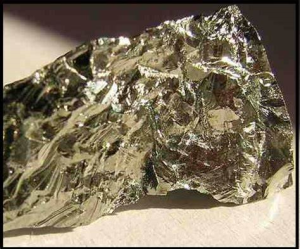
Germanium is a unique element that has some fascinating properties. It is a metalloid, which means that it has properties of both metals and nonmetals. One of the most interesting properties of germanium is its ability to conduct electricity. It is not as good a conductor as copper, but it is much better than other metalloids like silicon. This makes it useful in electronics, where it is used to make diodes and transistors. Germanium is also a semiconductor, which means that it can be used to control the flow of electrical current. This property makes it useful in solar cells, as it helps to convert sunlight into electricity.
It is also used in infrared optics and fiber optics, where its ability to transmit light is important. Another unique property of germanium is its ability to form compounds with other elements, such as oxygen. Germanium dioxide is an important compound that is used in the production of optical lenses, fiber optics, and infrared optics. It is also used in the production of ceramics and as a catalyst in the production of polymers. Germanium is a relatively rare element, which makes it quite valuable. It is often obtained as a byproduct of zinc ore processing and is also found in coal deposits. Despite its rarity, it has a wide range of uses in modern technology and is an essential component in many electronic devices.
- Mining Germanium and Modern day uses of Germanium
Germanium is a rare metalloid that is commonly found in minerals such as germanite, argyrodite, and zinc ores. The mining of germanium is a complicated process that requires specialized equipment and expertise. Germanium is usually recovered from the smelting of zinc ores, and it is also found in small quantities in coal and other minerals. The metalloid has many modern-day uses, including in the production of solar cells, fiber optic cables, and most significantly, as a semiconductor in electronic devices such as transistors and LEDs.
In the production of solar cells, germanium is used as a substrate for the deposition of other materials such as silicon. When exposed to light, the electrons in the germanium substrate are excited and create a flow of electricity. This conversion of light to electricity is what made germanium a primary material in the early days of solar cell production. Germanium is also used in fiber optic cables to increase the speed and clarity of data transmission. The metalloid is used as a dopant in optical fibers to increase their refractive index, which allows the transmission of light over longer distances without the loss of signal.
Germanium’s most significant use in modern-day technology is as a semiconductor in electronic devices. When germanium is combined with other elements, it becomes a semiconductor material. Semiconductors are used in electronic devices to control the flow of electricity, which is essential in the production of transistors and diodes. Germanium is also used in the production of tunnel diodes, which are used in the creation of high-frequency oscillators, amplifiers, and detectors. In conclusion, germanium is a versatile and valuable material that has played a significant role in modern-day technology. Its applications in the production of solar cells, fiber optic cables, and semiconductors have made it an essential component in many electronic devices, and its mining and production continue to support technological advancements.
- Conclusion
In conclusion, Germanium is a fascinating element that has a rich history and a number of modern-day uses. From its discovery by the German chemist Clemens Winkler in the late 19th century to its use in a variety of technological applications today, Germanium has played an important role in the development of science and technology. Its unique electrical properties make it a valuable material for the semiconductor industry and other electronic applications. In addition to its technological uses, Germanium also has potential medicinal properties and is being studied for its ability to fight cancer and other diseases. As we continue to learn more about this remarkable element, we are sure to discover even more ways in which it can benefit our lives. Whether you are a scientist, an engineer, or simply someone with an interest in the world around you, Germanium is definitely an element worth exploring.